How to Know If Your St. Joseph, MO, Home Needs a Plumbing System Inspection: A Guide From Residential Plumbers
Knowing the warning signs that your home's plumbing needs an inspection can save St. Joseph, MO, homeowners from costly repairs. Residential plumbers often find small problems hiding in walls, under floors, and deep in sewer lines. This guide covers five key warning signs and explains when to call a pro.
Why St. Joseph Homes May Need Inspections More Often Than You Think
Older homes in St. Joseph need plumbing attention more often than newer ones. The city has many historic homes, including Victorian and Craftsman bungalows and mid-century ranches, especially in Midtown and South St. Joe. Many still have galvanized steel pipes, brittle plastic supply lines, and aging sewer connections.
The clay-heavy soil in the St. Joseph area swells when wet and shrinks when dry. That movement can shift joints and crack buried pipes. Tree roots and soggy ground near the Missouri River add more stress. If your home was built before 1980, an inspection may be overdue.
What Are the 5 Warning Signs Your Plumbing System Needs an Inspection?
Low or Inconsistent Water Pressure
Low water pressure throughout the house can point to trouble. Causes include mineral buildup in old pipes, a hidden leak, or a corroding main supply line. Residential plumbers can use a camera to find exactly where the problem is.
Discolored or Rusty Water
Brown or orange water is a clear sign of pipe corrosion. It is common in homes with older iron or steel supply lines. Rusty water means the pipe walls may be wearing thin. Plumbers recommend fixing it quickly, since these lines can fail fast in older St. Joseph homes.
Slow or Gurgling Drains
One slow drain often means a simple clog. If several drains are slow or gurgling, the problem may be deeper in the main sewer line. Old cast iron and clay sewer pipes get rough inside over time. Grease and debris catch on that rough surface, so clogs keep coming back.
Unexplained Spikes in Your Water Bill
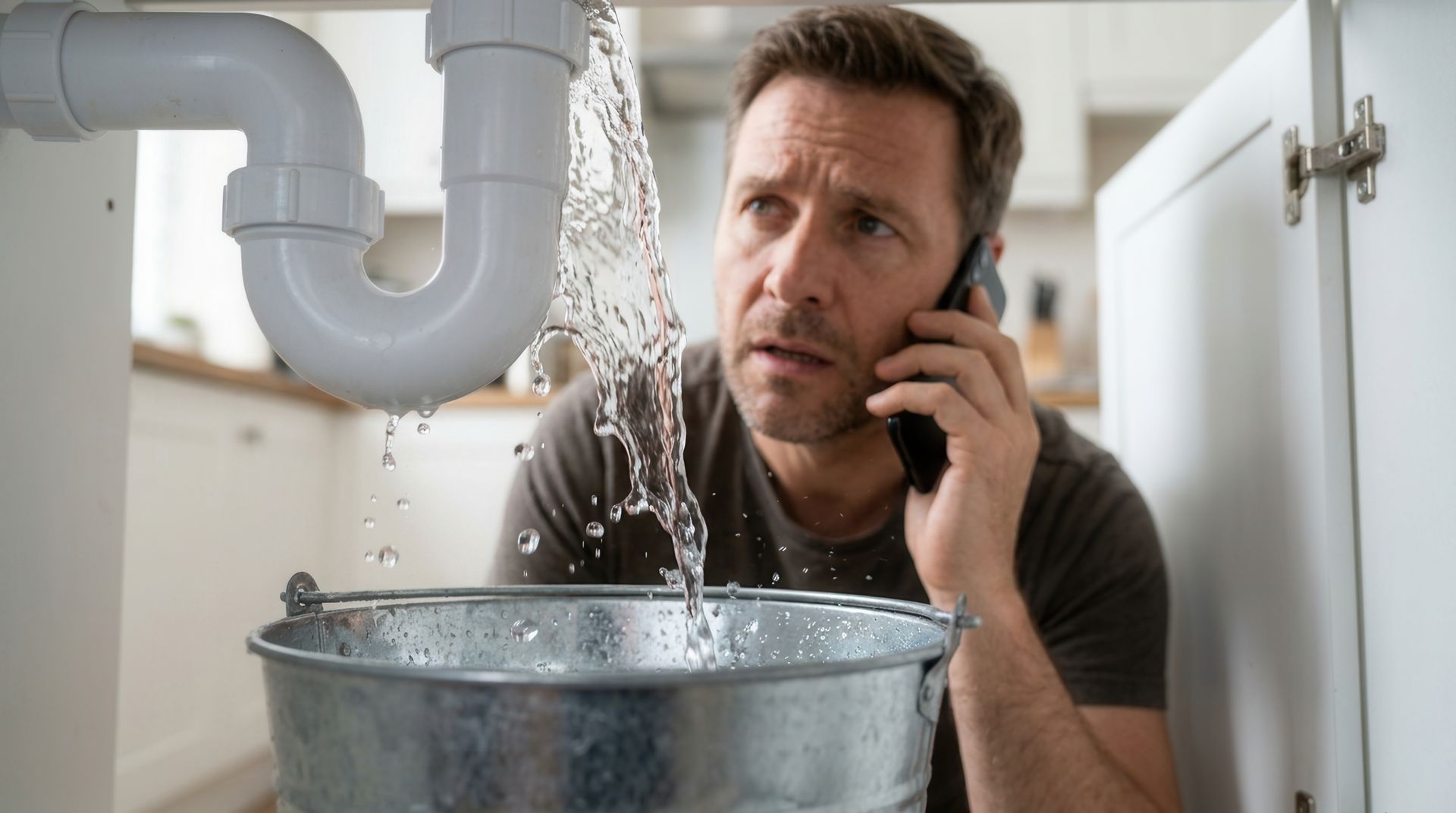
A water bill that jumps with no change in use often points to a hidden leak. Even a small leak inside a wall or under a concrete slab can waste a lot of water over time. Residential plumbers can use a pressure test or camera inspection to find the source.
Visible Corrosion or Moisture Stains
Rust or green crust on pipes under sinks or near water heaters is a clear warning. Water stains on ceilings, walls, or around fixtures suggest a slow leak. That leak may already be harming your home. Check these spots soon instead of painting over them.
What Does a Professional Plumbing Inspection Include?
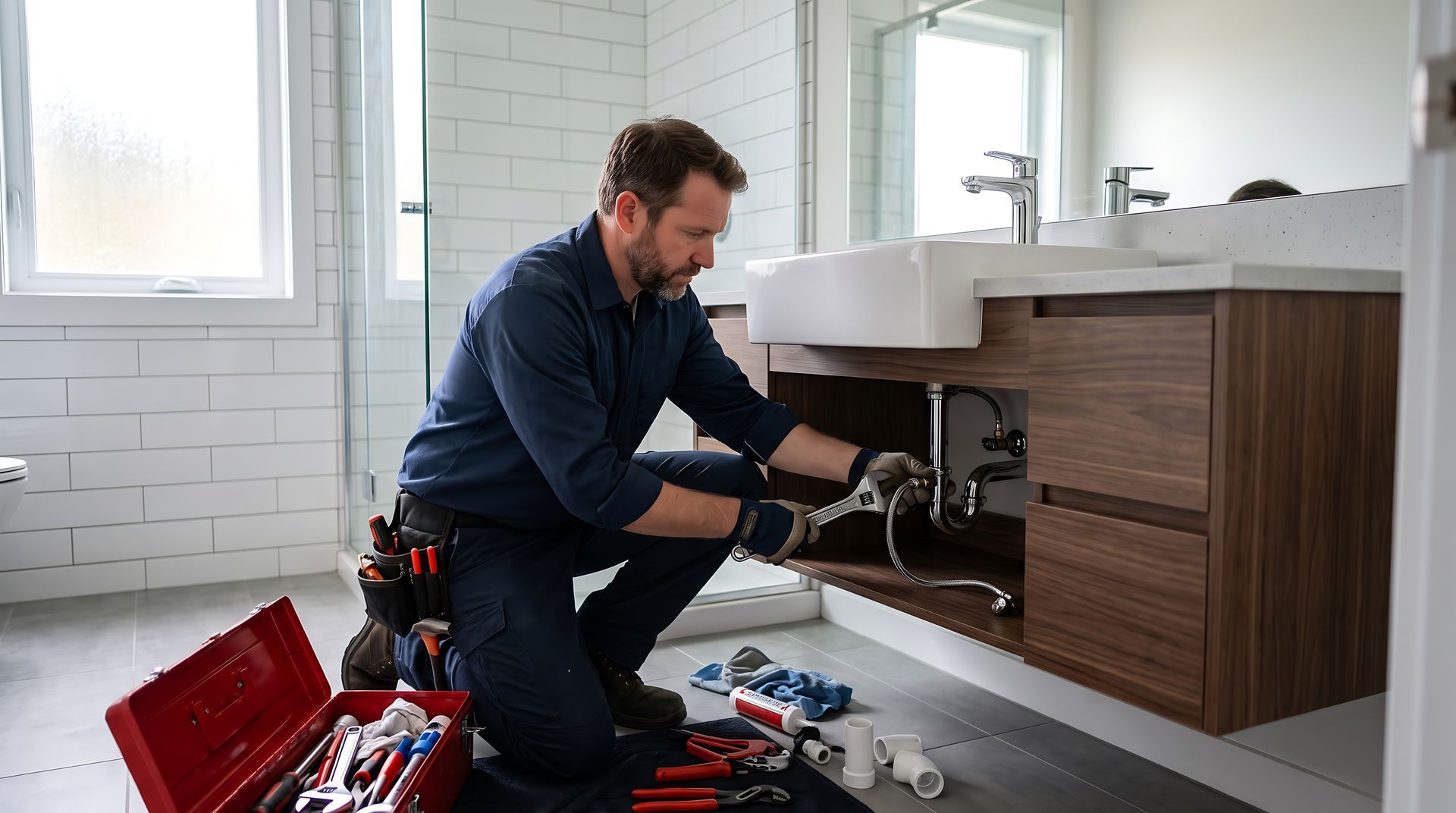
A licensed plumber usually checks these items:
- Water pressure at several fixtures.
- Exposed supply and drain lines for rust or leaks.
- Water heater age and condition.
- Shut-off valves.
- Toilets and other fixtures.
For older homes, a sewer camera inspection is often a smart add-on. A small, high-definition camera goes through the sewer line and sends back live video. Residential plumbers can spot roots, cracks, grease buildup, or sagging pipe without digging.
Scheduling an inspection every one to two years can help catch small issues before they get costly. Also consider one when you buy or sell a home, or any time you spot a warning sign above.
When to Call a Licensed Plumber vs. Handling It Yourself
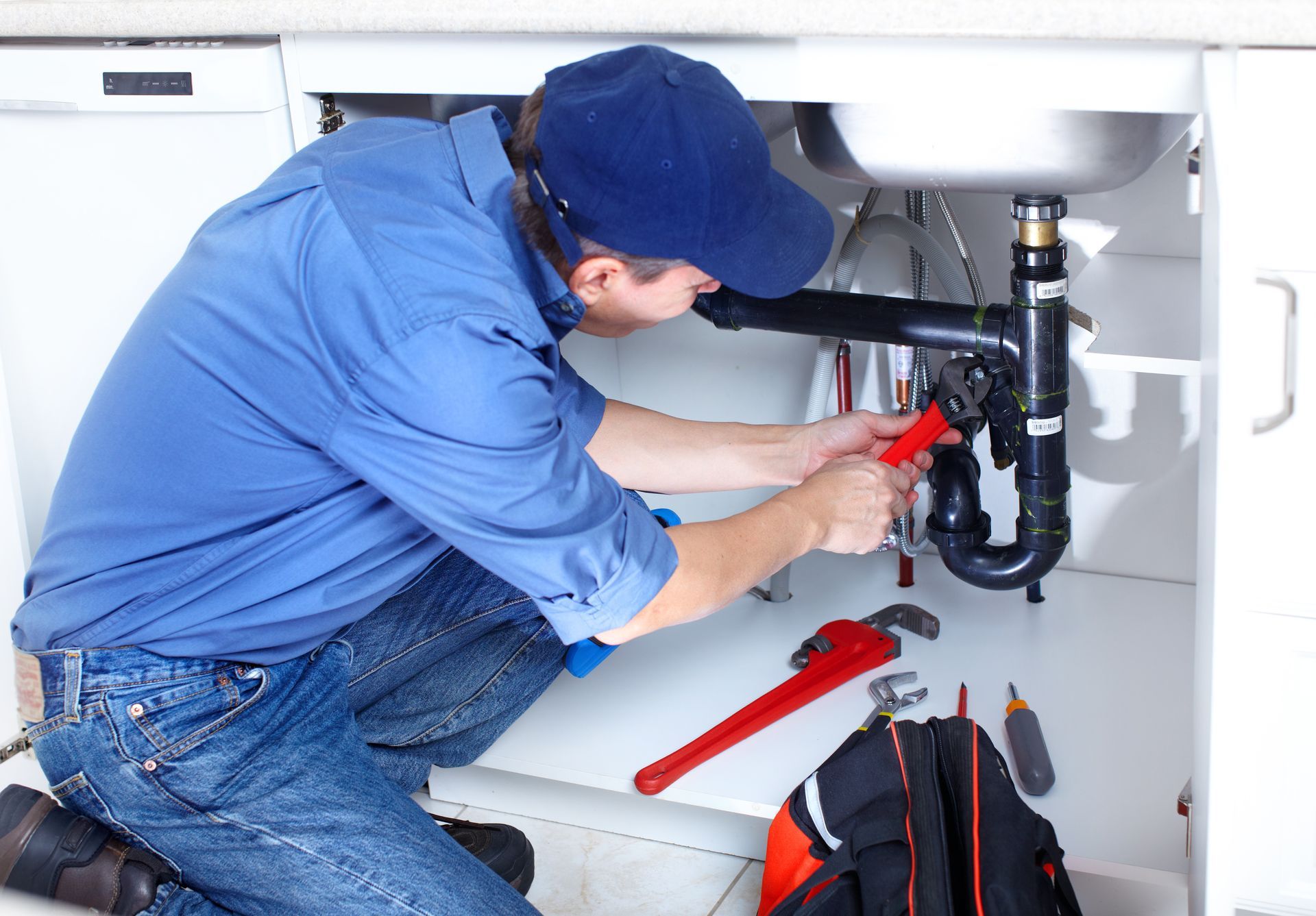
Minor jobs, like replacing a worn faucet washer or a running toilet flap, may be fine for a confident DIYer. Bigger jobs need a licensed pro. Call residential plumbers for problems with:
- The main water supply line.
- The sewer system.
- The water heater.
- Hidden leaks.
In Missouri, plumbing licenses and permits are handled at the local level. Confirm your plumber holds the right local credentials before work begins.
DIY fixes on sewer lines or corroded pipes can hide symptoms that a camera would catch early. When in doubt, a professional check is the safer choice.
If you spot a warning sign, follow these steps:
- Note where and when the problem happens.
- Take photos of any leaks, stains, or rust.
- Shut off the water if a leak is active.
- Call a licensed plumber for an inspection.
Ready to Schedule a Plumbing Inspection in St. Joseph, MO?
If any of these warning signs sound familiar, now is the time to act. The Plumber's Plumber offers plumbing inspections and sewer services for homeowners who want answers before problems grow. To get started, contact our team to request a free estimate and get your home's plumbing checked.
Frequently Asked Questions
How Often Should I Get a Residential Plumbing Inspection?
Most plumbing pros recommend an inspection every one to two years. Homes over 40 years old, recently purchased, or showing any warning sign above may need checks more often.
Can Old Galvanized Pipes in St. Joseph Homes Affect Water Quality?
Yes. Galvanized steel pipes rust from the inside out. Flaking rust can discolor tap water and reduce flow. Homes in Midtown and South St. Joe with original galvanized pipes may see brown or orange water, especially after the water sits unused. A camera inspection helps residential plumbers check the pipes.
Does Clay Soil in the St. Joseph Area Damage Sewer Lines?
It can. Clay soil swells when wet and shrinks when dry. That movement stresses buried sewer connections and can shift joints, letting in roots and causing cracks. A sewer camera inspection is the most reliable way to check your line.